The Semantic Void. (A Question of Friction)
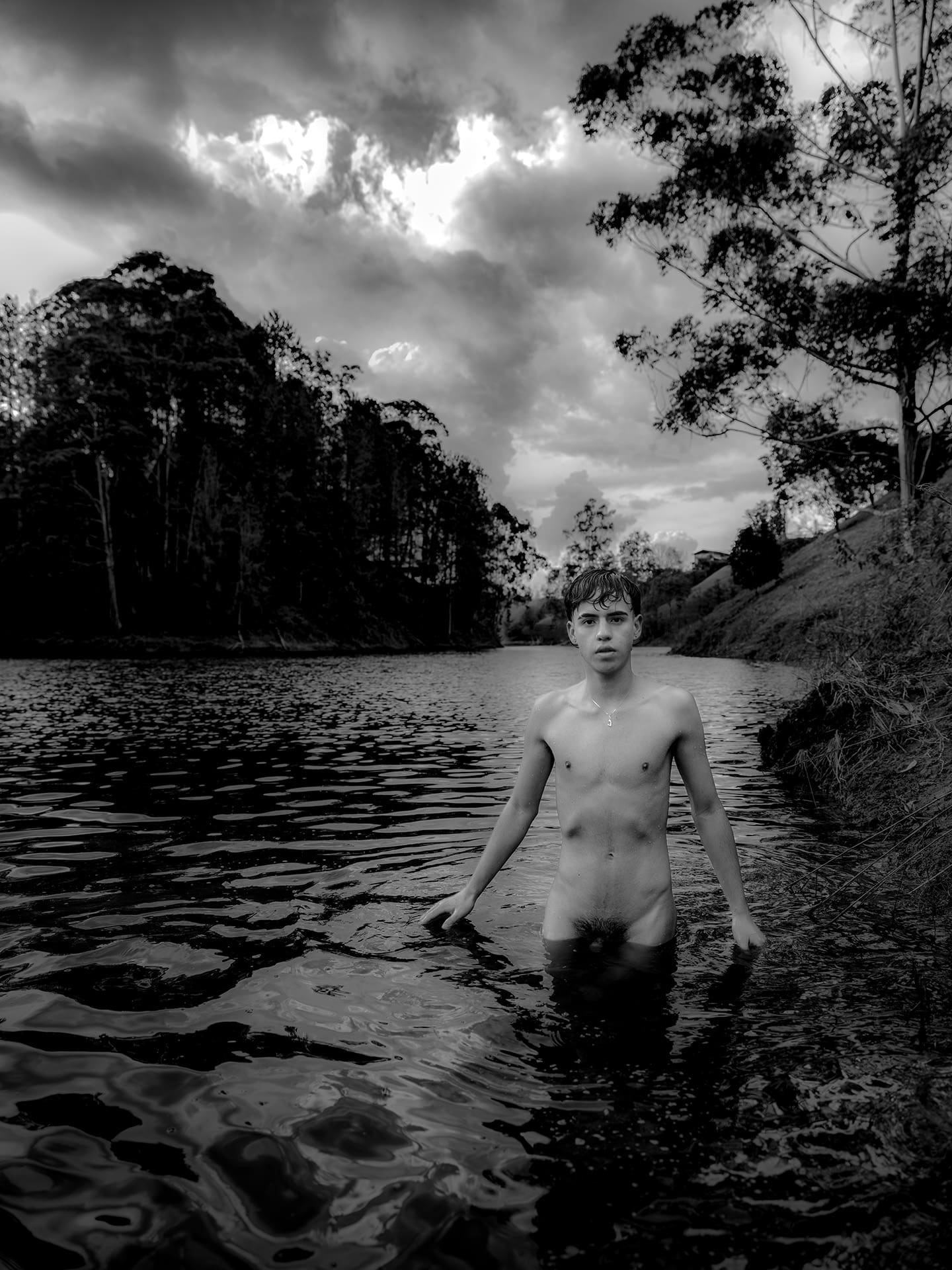
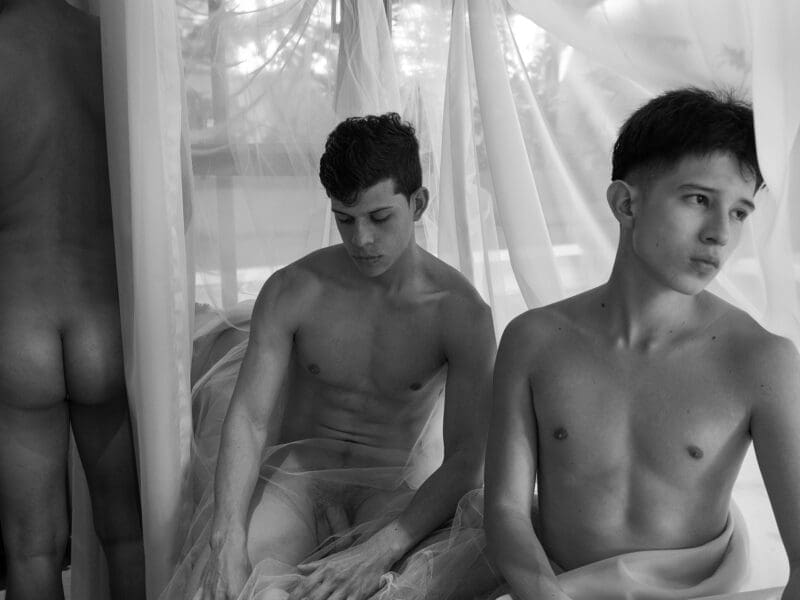
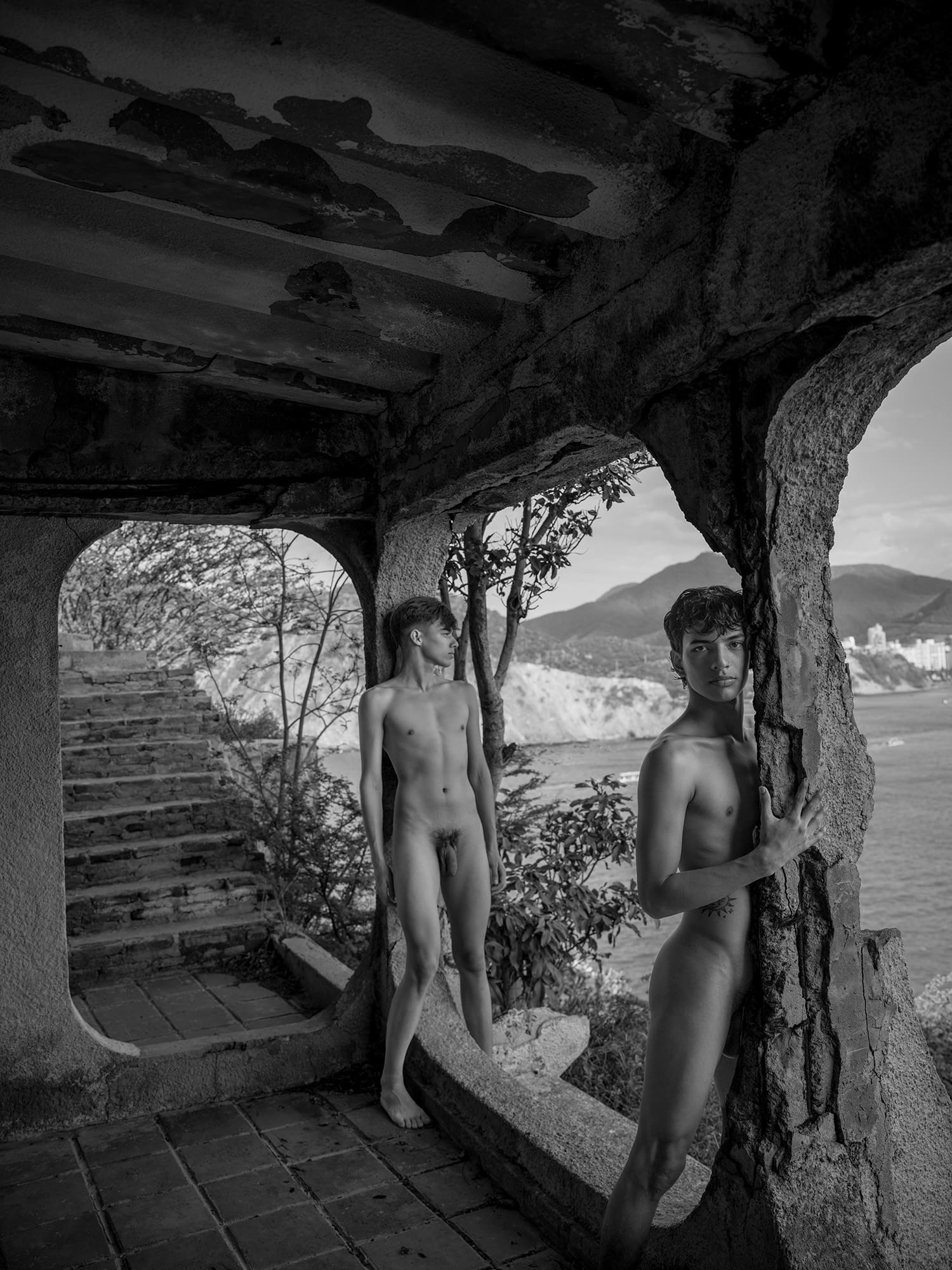
I printed Skin and Under in Italy, at Tipografia Sosso. The technicians handled the proofs — pages full of nudes — with the same ease they would have brought to a discussion of inks. We went in and out to check the proofs in sunlight, waving the large sheets like flags. Tones, density, contrast. The bodies were there, present. Nobody thought twice.
A few months later, in the United States, Miller Lab refused to print the same images. The reason: non-sexual frontal nudity — “we are a family business, after all.”
Non-sexual. As if that were the problem.
That phrase stayed with me. Because it contains everything: the admission that there is nothing sexual, and the refusal anyway. The body that is simply there, present, vulnerable — that neither arouses nor celebrates strength — finds no category. And what finds no category finds no place.
At AIPAD, I spoke with a European gallerist, Belgian, who exhibits regularly. I asked him why he never brings certain works to the fair. Works he knows, respects, sells elsewhere without difficulty. He answered with a disarming simplicity: he would lose the American clients he has. It is not a matter of personal taste. It is commercial survival. A Belgian gallerist who self-censors in New York is not yielding to a cultural prejudice — he is responding to a market pressure strong enough to rewrite his exhibition choices. Puritanism at this point has become structure. And structure is not persuaded: it is navigated or endured.
What is this structure? In contexts marked by puritan stratification and a visual economy deeply tied to the market, the body is categorized in only two ways: either functional/muscular — the body that works or wins — or sexualized/pornographic — the body that sells or seduces.
The problem is that the body belonging to neither category creates discomfort. Not arousal, not athletic admiration — discomfort. The viewer stands before something they don’t know where to place. They stand before vulnerability. And vulnerability, without a frame, is uncomfortable.
But that is precisely where the work begins to operate.
Discomfort is not a failure. It is the signal that something real is happening between the eye and the image. Art that reassures confirms what you already know — it is decoration, it is entertainment. Real art does not resolve. It continues after you have closed your eyes; you no longer see the image but your own reaction to it. The work is a mirror.
Written with three stents in my heart and zero patience for superfluous things.