
SKIN, and Grace — Gazing Soft
I arrived in Cuba to photograph five professional dancers. I wanted to photograph their bodies, of course. But more than that, I wanted what remains when movement stops—masculinity in a country where the body is at once dance, resistance, and identity.
David joined the Cuban group from Bucaramanga, a companion of many of my projects and by now a steady presence in the work. William and Andrés were meant to come too; both withdrew at the last moment—a quiet reminder that every creation balances on desire, possibility, and chance. Kelly, Cuban-born and the organizational heart of the journey, guided us through an island both rigorous and vulnerable, where written and unwritten rules shape every step.
I arrived with a question: what does masculinity look like once ballet has already shaped it? It did not stay a question for long. In conversation it became a series of statements—about family, about the daily negotiation of being watched and understood, about independence claimed rather than granted. These men had given their lives to dance, a devotion the world around them still regards with suspicion—ballet least forgiven of all. And then, unplanned, a communal coming out: several of the dancers speaking openly on camera about who they love. Taken for granted in parts of the world I come from. Not remotely granted here. It became, without my choosing it, the emotional center of the film.
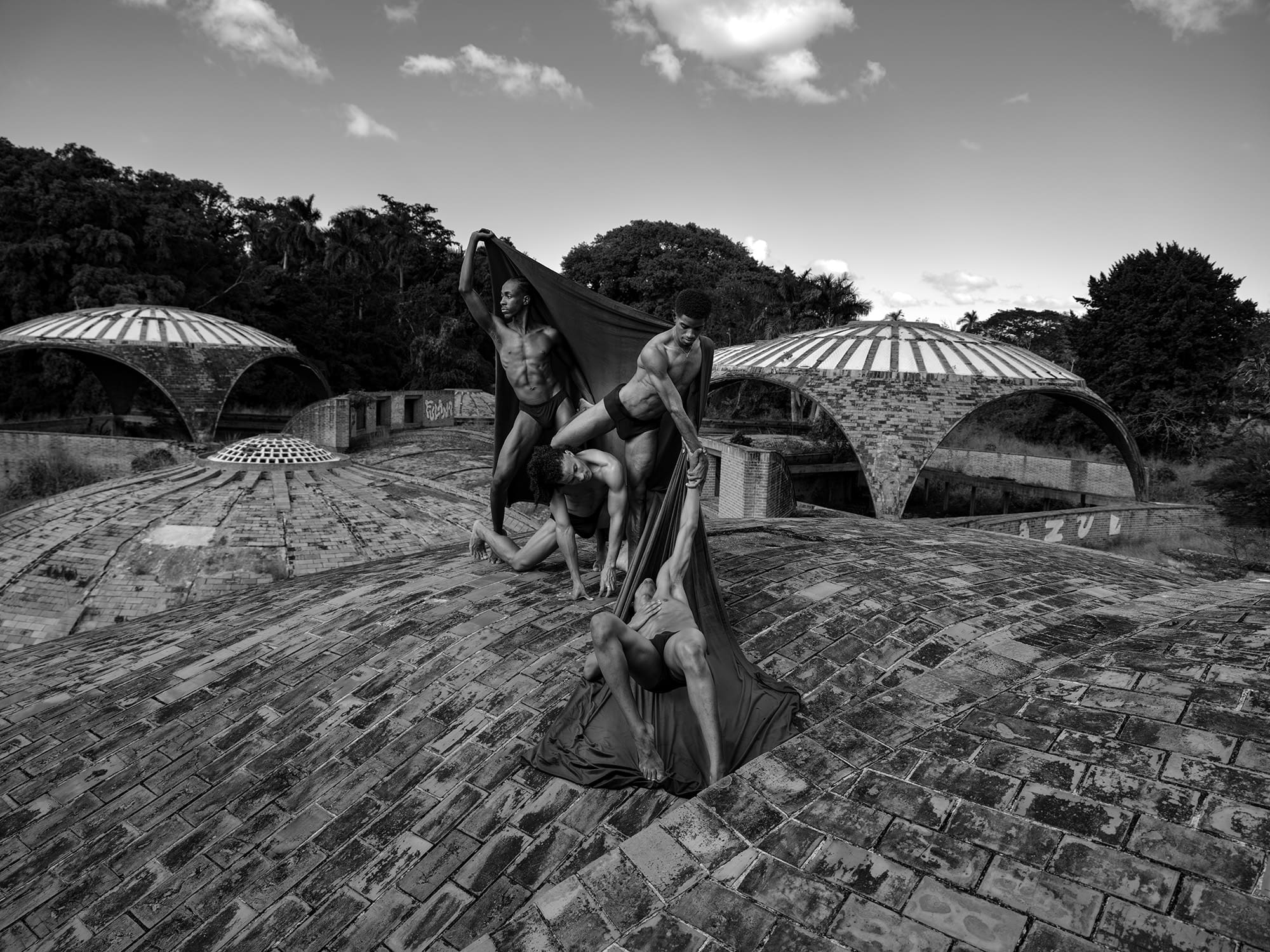
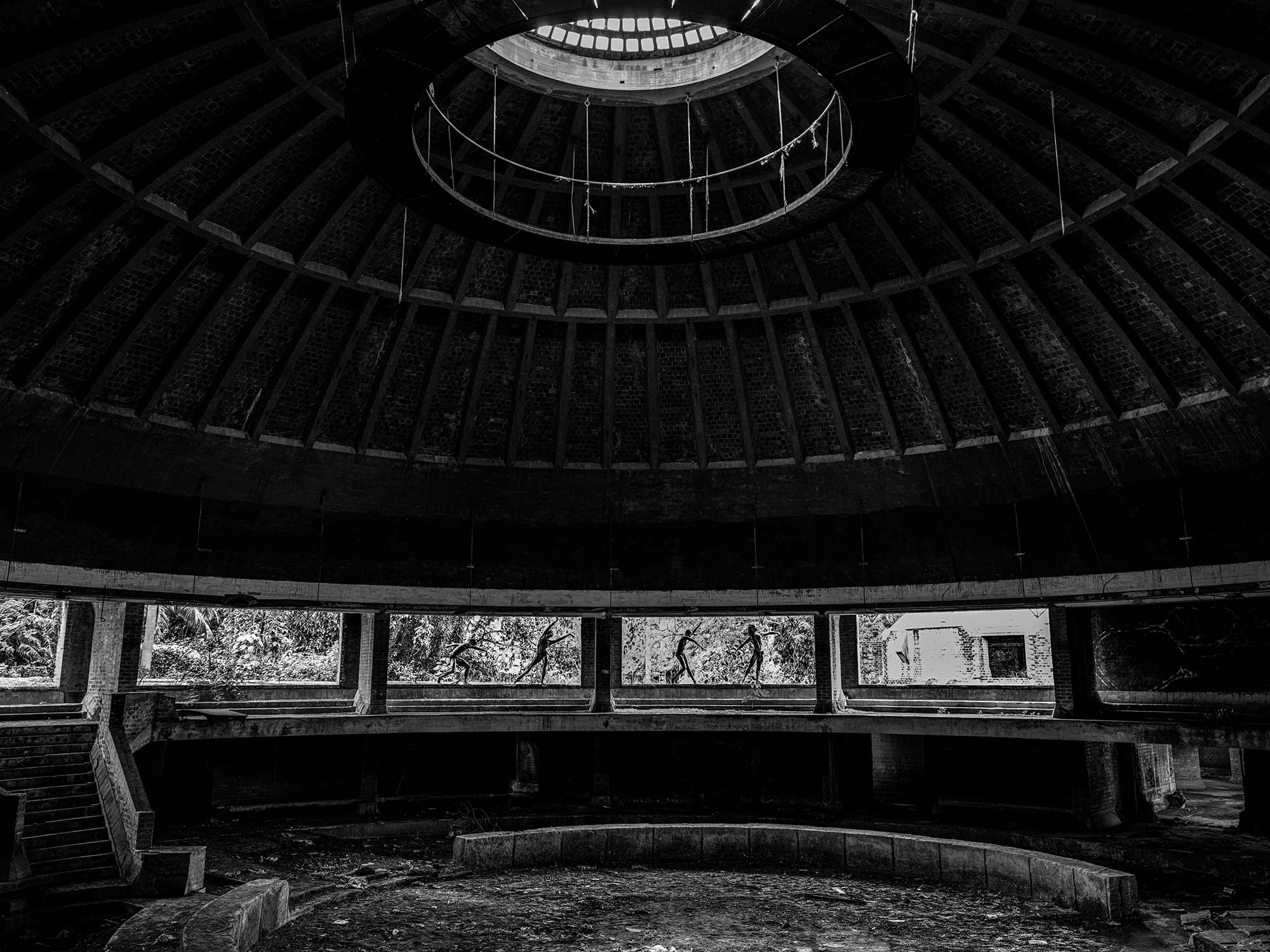
Havana first: streets and the Escuela Nacional de Ballet, bodies moving beneath faded vaults, framed by windows crossed by ancient light. Then south—waterfalls, beaches, towns suspended in time. Illness, withdrawals, absences kept reshaping the path, and the project had to be reinvented in real time. The crew was small: Lena behind the video camera; Michel and Melissa on sound. We worked through tropical viruses, sudden fevers, decaying dance halls, and a beauty that survives through sheer stubbornness.
The 60-minute documentary lets the four dancers speak at length and in their own words: how they began dancing, what it cost them, and—for some—the story of coming out. Movement without choreography for an audience. Four men dancing in a spare room, or in the stream of El Nicho’s waterfall, simply because it is what they do.
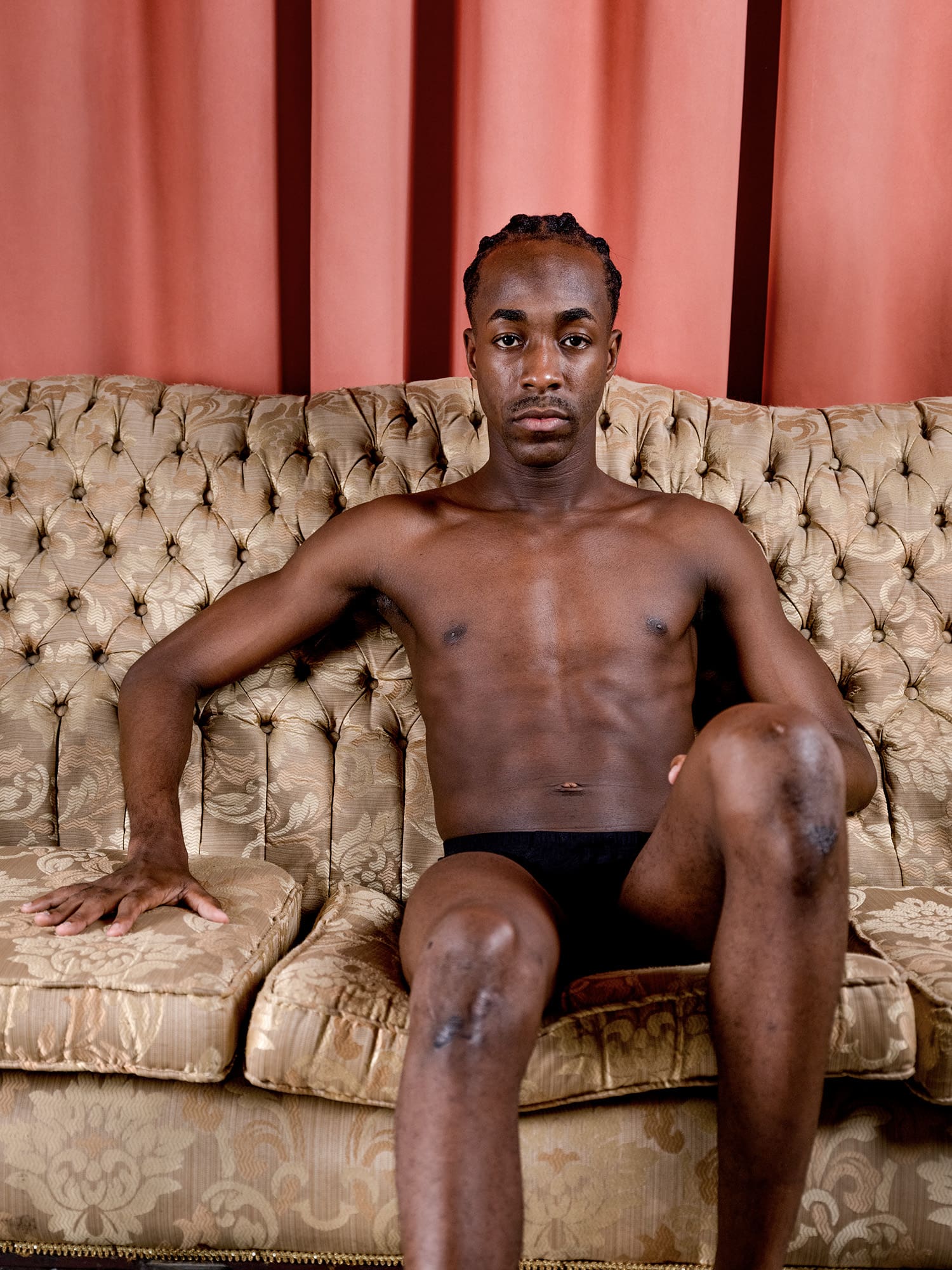
The photographs, made alongside those conversations, hold a different register: the body’s stillness between one position and the next. The same insistence on materiality—silver gelatin, printed by hand in the darkroom. The body as physical fact, not concept.
The book is dedicated to them.
96 pages, 77 images—black-and-white with a few in color. Printed at the end of June 2026, now in final touches: cover binding, turquoise edge spray. Ready by the end of July. Published by Artfineline, 2026. $80. ISBN 979-8-9964524-0-8.