
The Ephemeral Beauty: Capturing What Time Cannot Hold
Ephemeral Beauty:
People ask why I mostly photograph young adults — eighteen, nineteen, into their twenties. I understand the question, and I understand the suspicion underneath it. But the answer isn’t about youth as a category. It’s about a specific, narrow passage: the interval when a person has legally and physically become an adult but hasn’t yet become someone in particular. The self is still being assembled. Nothing has set.
That’s the window I’m working in, and it closes fast. A year or two later, the same person has usually developed a public version of themselves — a way of standing for a camera, a face they know reads well. That version isn’t less real. It’s just no longer the thing I’m after.
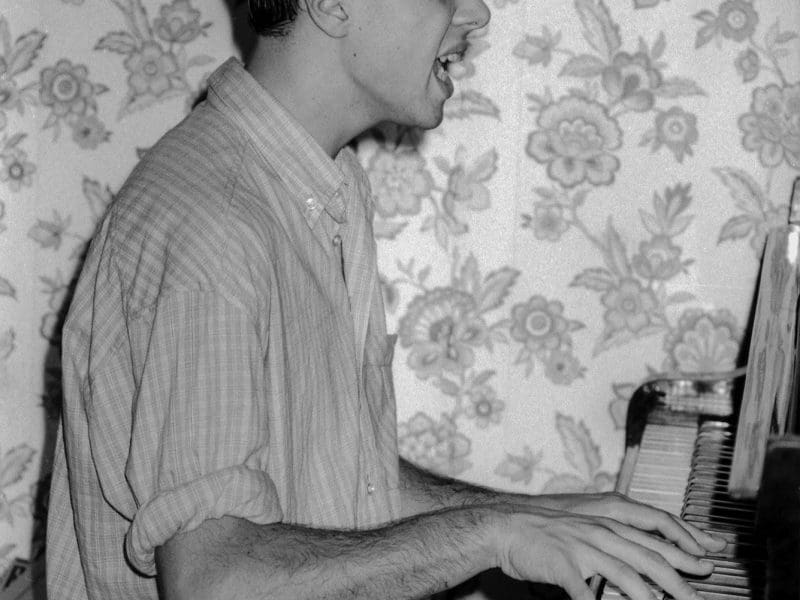
What I’m after is what happens before someone has learned to perform being looked at. Not the gym-sculpted, camera-ready presentation — when a person becomes aware of how they look, something closes. They start managing the image instead of being in it. What interests me is the opposite: the uncertainty, the body that hasn’t settled on its angles, a glance that hasn’t been rehearsed for anyone. It reads as more honest to me, though I hold that loosely — it’s a preference, not a claim about which self is truer.
There’s a real problem inside this project, and I’d rather name it than pretend around it: the moment I’m chasing is partly destroyed by the act of chasing it. Someone who knows they’re being photographed, and who I return to photograph again, is by definition someone learning to be seen. Repetition teaches self-awareness. So what I’m actually holding onto isn’t unselfconsciousness itself — it’s the residue of it, the trace still visible in someone who’s only starting to perform. I don’t think this makes the work dishonest. I think it makes the work a record of a boundary being crossed, not a document of some pure state that stays still for me.
The return visits make that visible. I go back to the same people years later. A tattoo that wasn’t there before. A different way of holding their shoulders. Something in the face that’s settled into an expression instead of trying one on. Set next to the earlier portrait, the change is unmistakable — and so is the fact that the person in the first photograph doesn’t exist anymore. The picture is what’s left of someone who is, in every practical sense, gone.
I don’t think of this as being about beauty in the conventional sense. It’s closer to documentation of a threshold — the short period after someone becomes an adult and before they’ve built the armor most adults carry. I don’t romanticize what comes before eighteen, and I don’t shoot it. What I’m interested in is what a person looks like in the first years of being allowed to decide who they are, before they’ve decided.
My camera happens to be there for that. Not because the moment is pure, but because it’s the last moment before it isn’t.