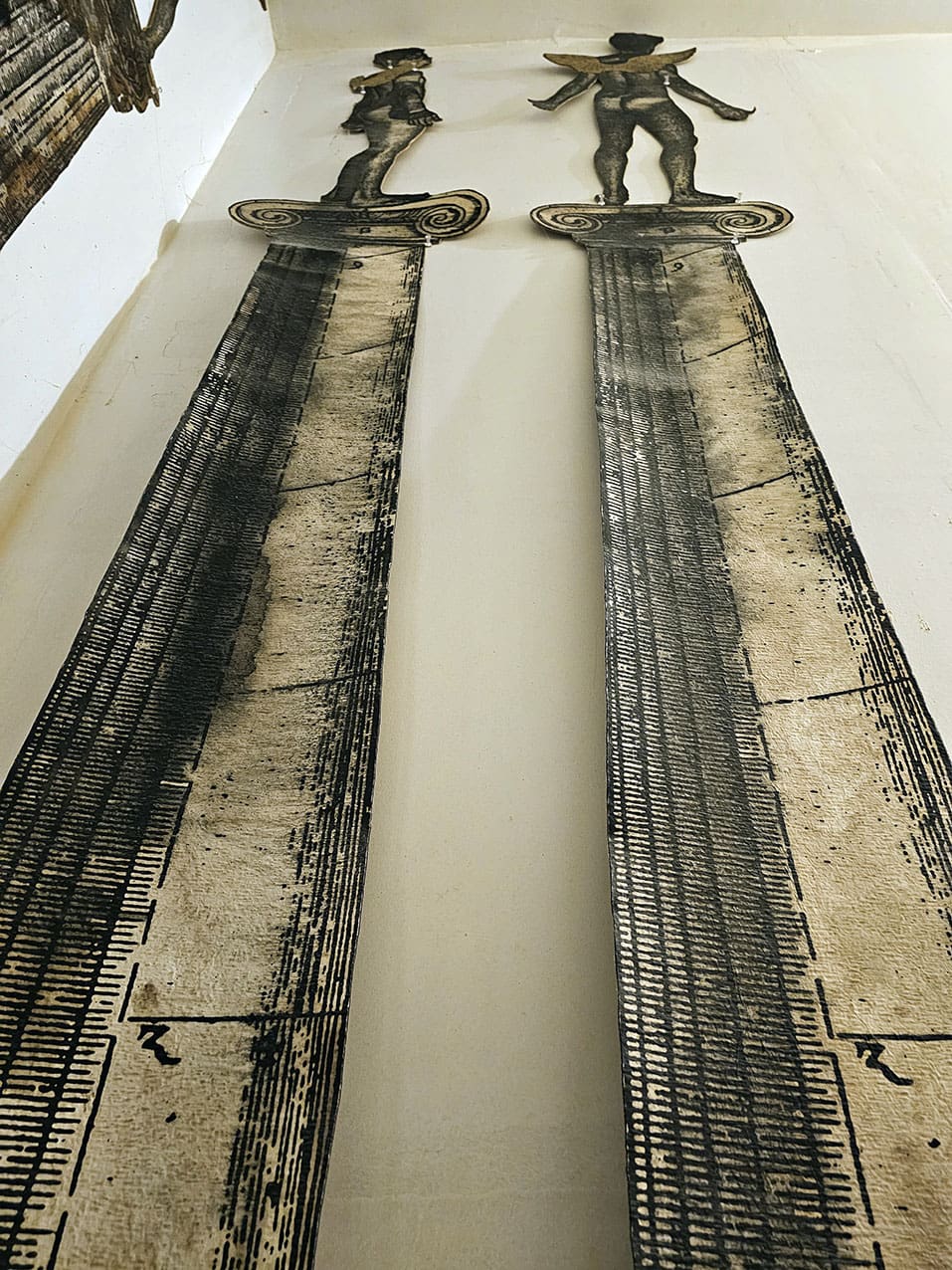
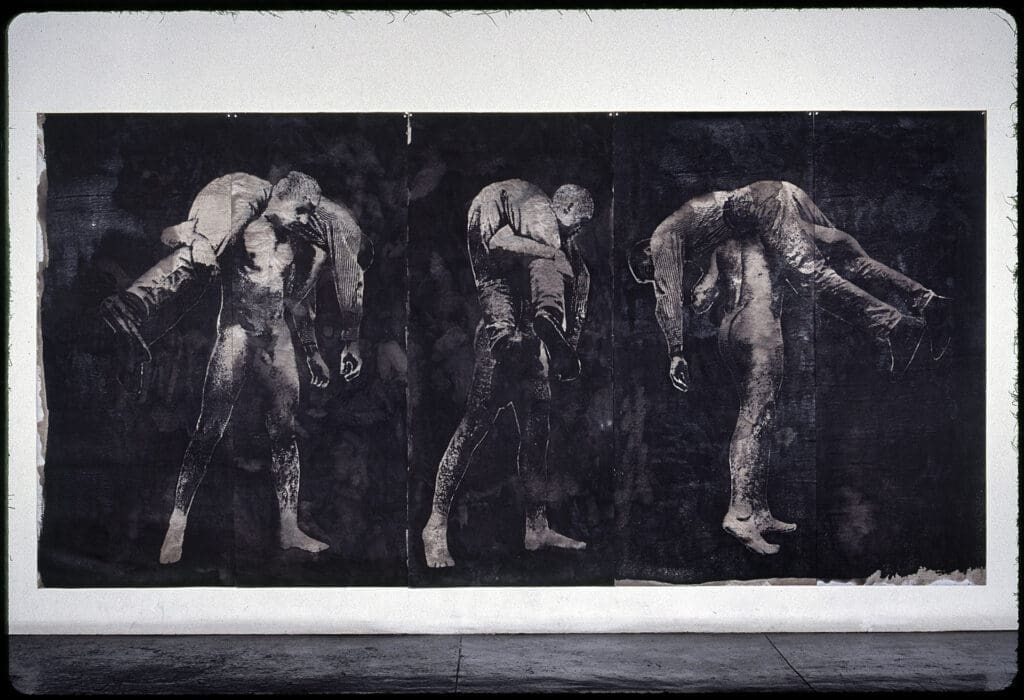
Mid-1990s – c. 2006
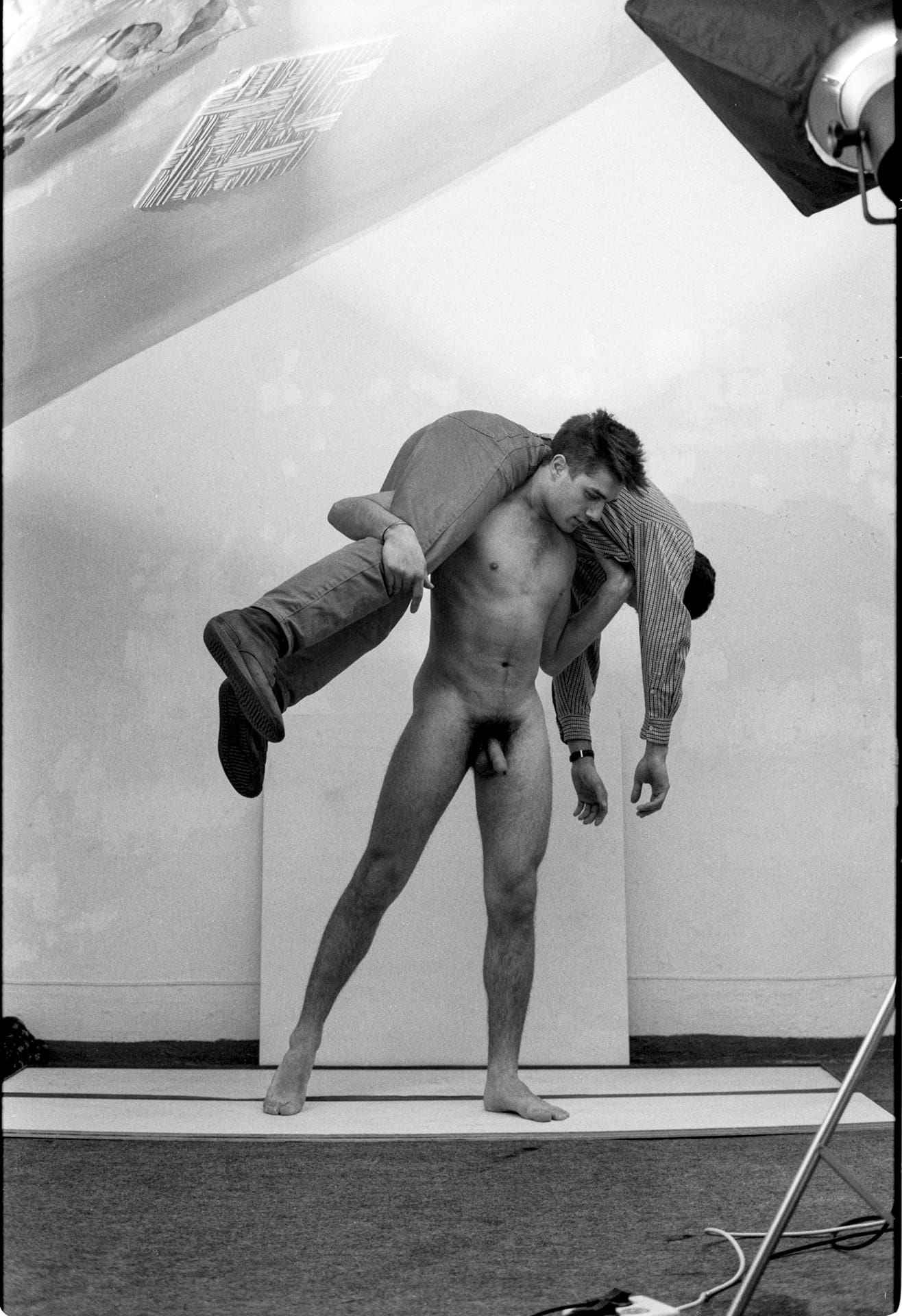
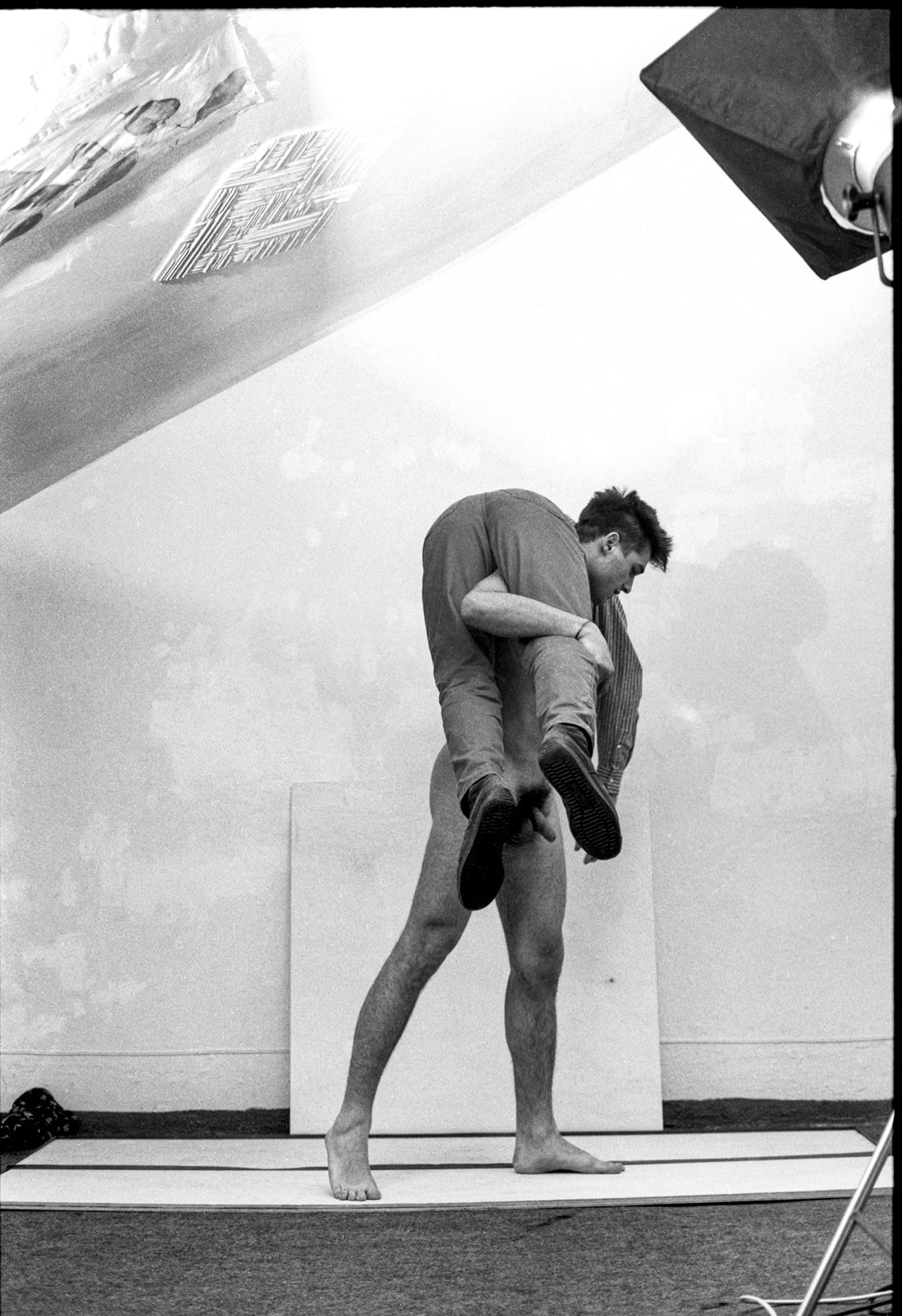
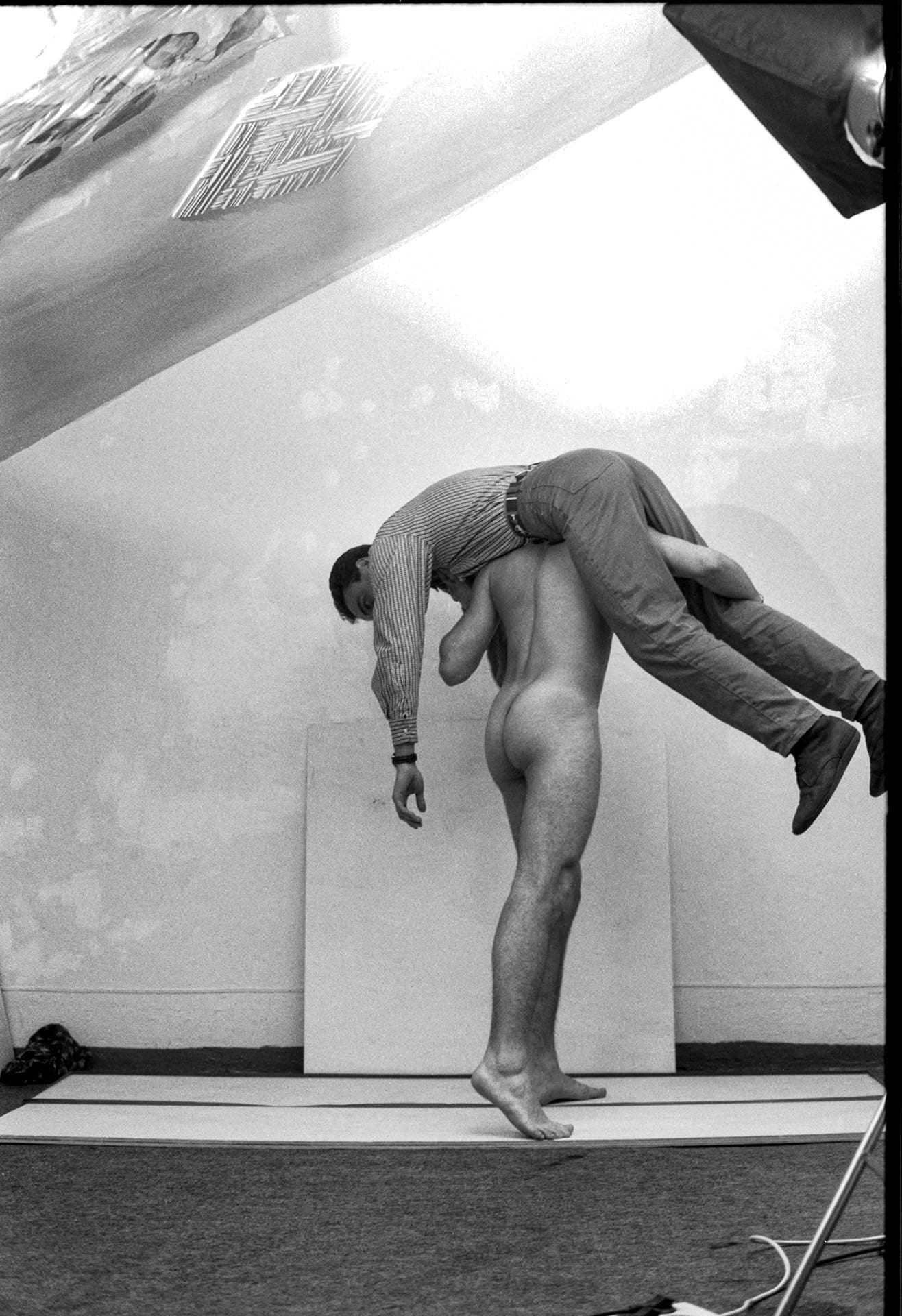
By the 1990s, I found myself in an art world that considered photography a second-class citizen. In the Academy, my professors dismissed it as mere reproduction, lacking the “authenticity” of painting or sculpture. The rise of digital manipulation only deepened their suspicion.
Then I discovered Robert Mapplethorpe—likely in Philadelphia. The ferocity of his work, and the scandal that shut down his Corcoran exhibition and defunded the NEA, crystallized something for me. I realized that photography’s reproducibility was not its weakness, but its weapon. It could reach more people, challenge more deeply, and—when handled with rigor—possess a validity that rivaled any canvas.
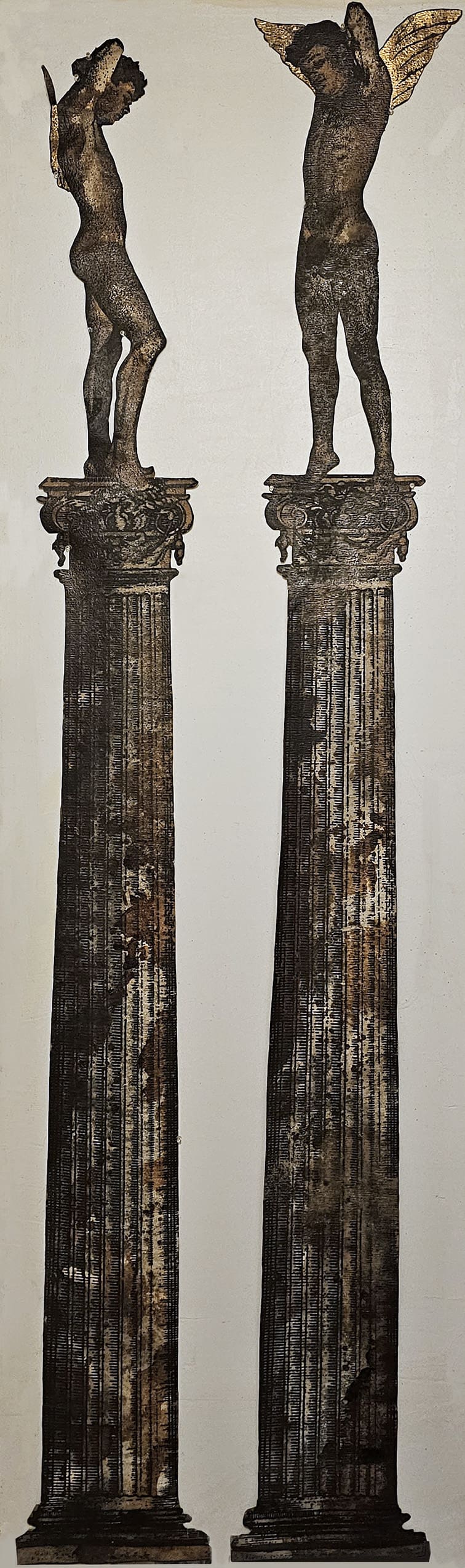
On a practical level, this period also ended in a cloud of toxic fumes. Working with solvents, bitumen, and tar in my DUMBO loft had become chemically unsustainable. Even with protective gear, the fumes forced a reckoning. I had to change my medium, or change my lungs.