
SKIN, and Grace — Episode I
Gazing Soft
Book and Film
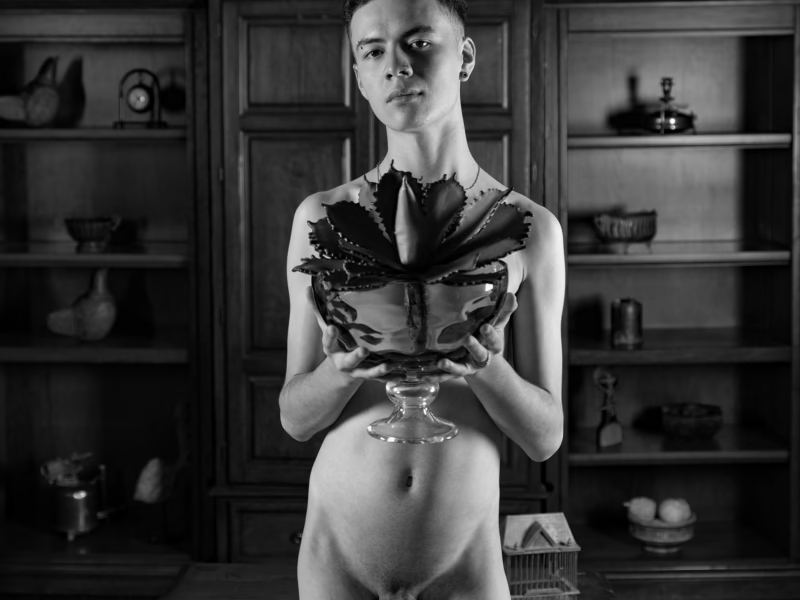
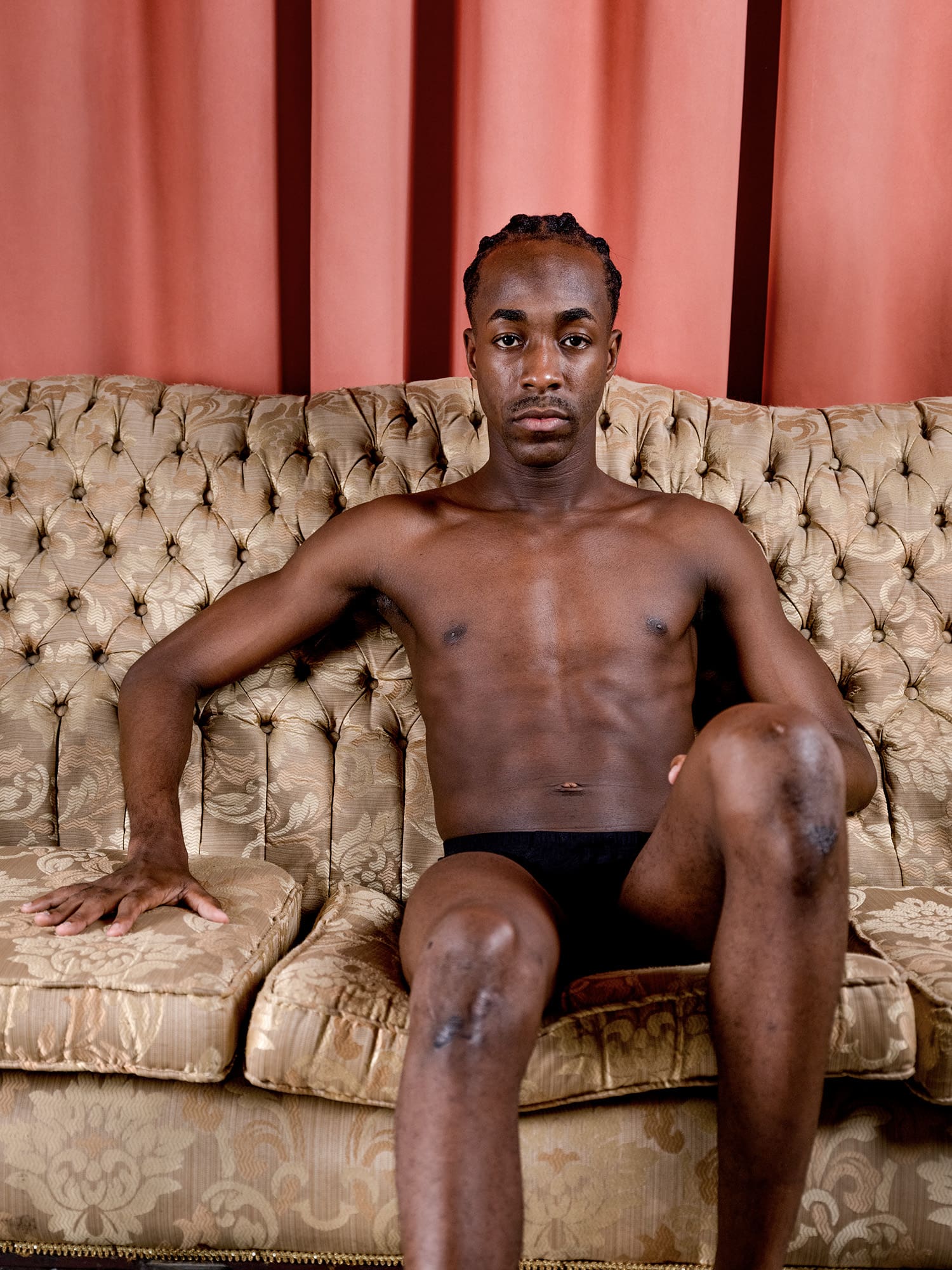
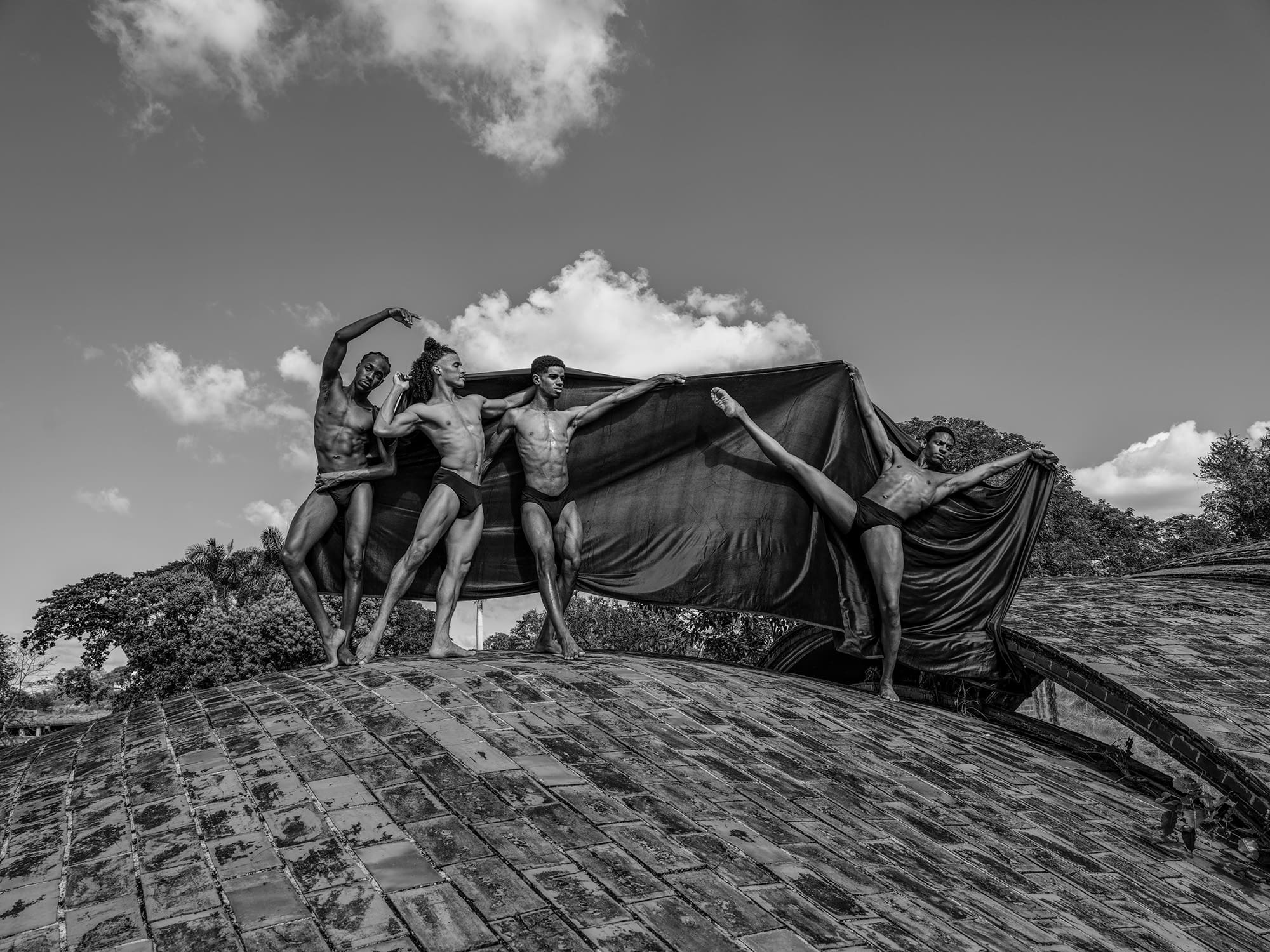
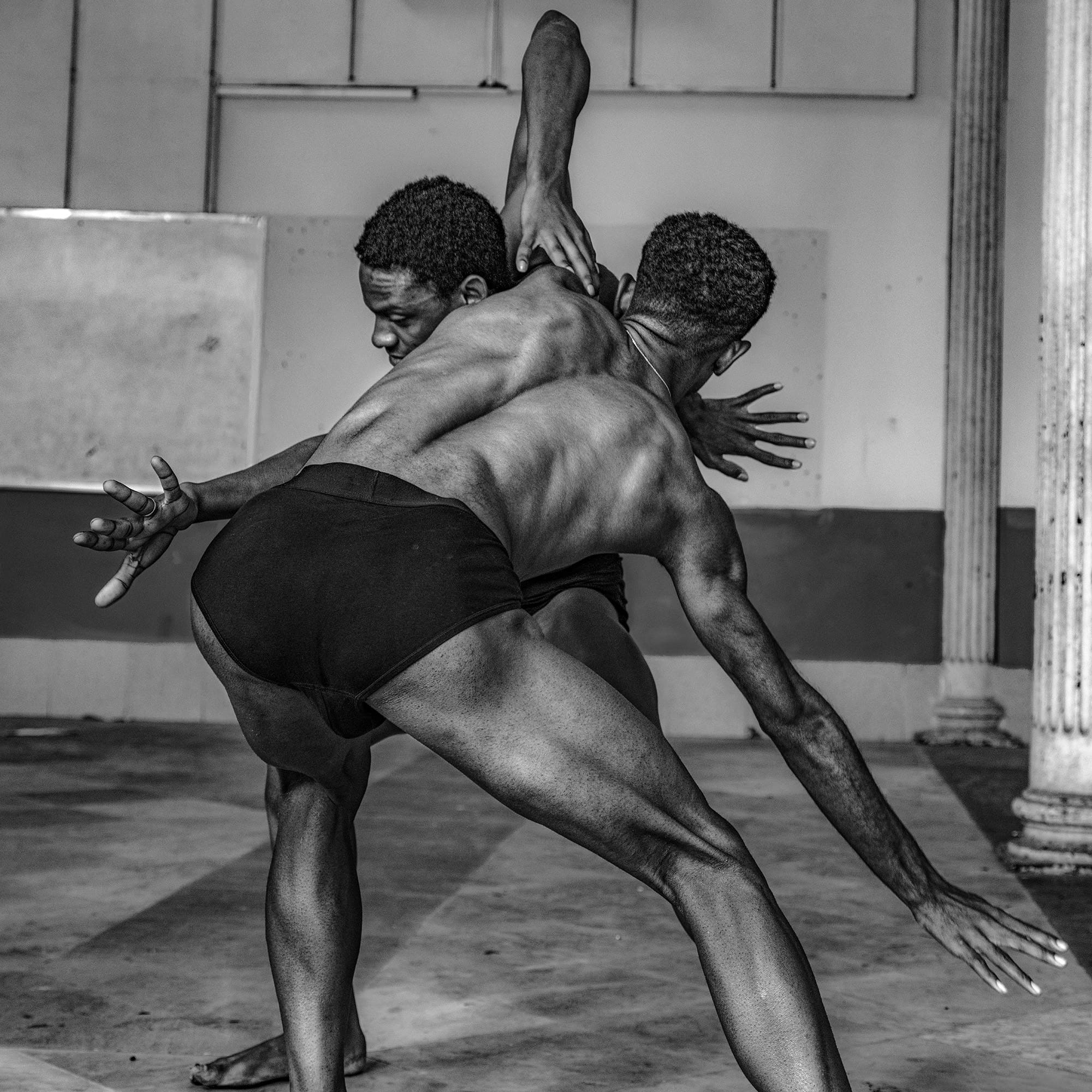
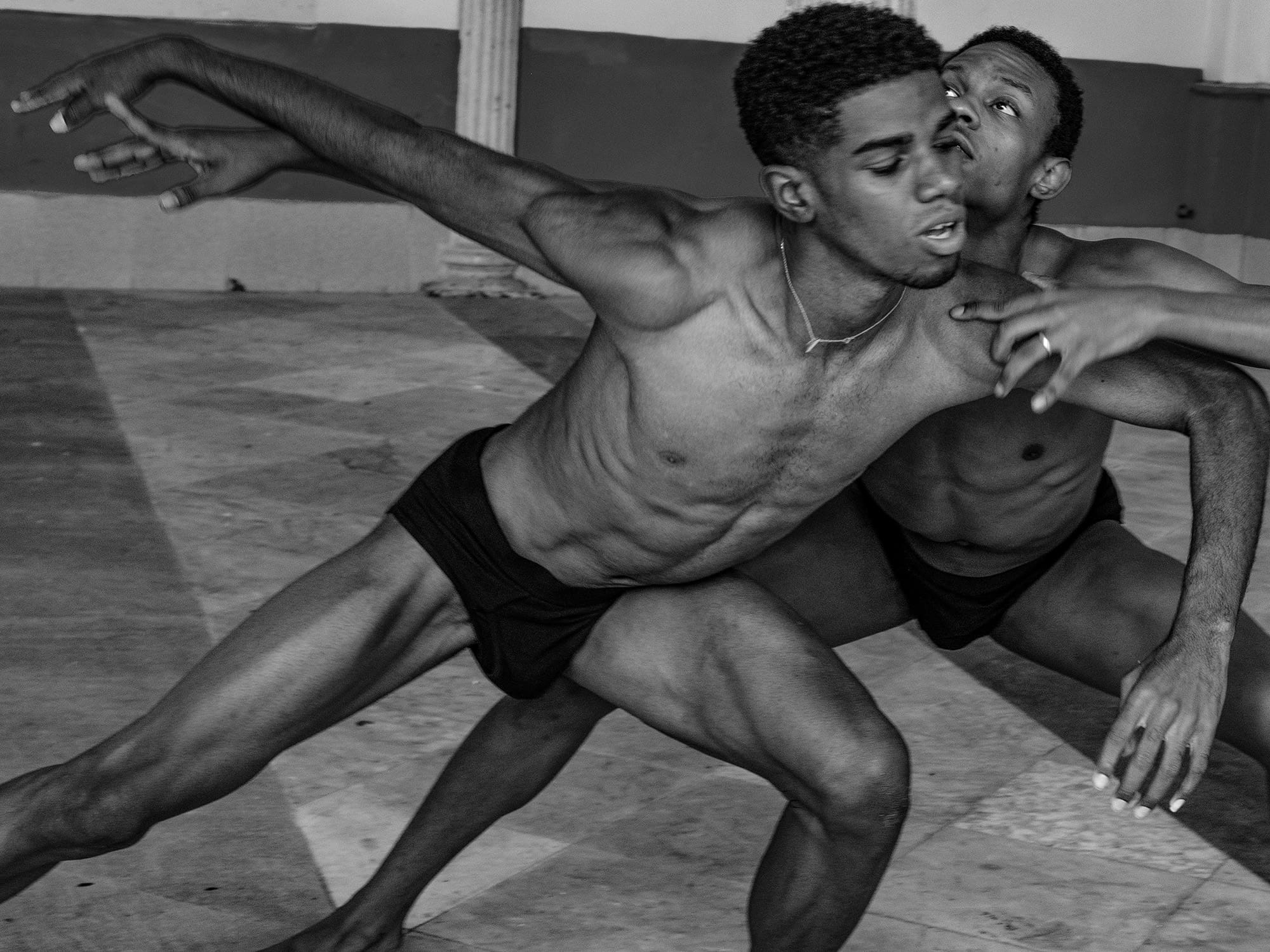
I arrived in Cuba intending to photograph five professional dancers, drawn to a grace I had previously known only through screens and fleeting digital fragments. Four ultimately became the subjects of this book and documentary.
I wanted to photograph their bodies, but also to discover what remains when movement stops. What does masculinity look like after ballet has shaped it, in a country where machismo runs deep and where choosing dance can itself become an act of independence?
David joined the Cuban group from Bucaramanga. A companion in many of my projects, he has become a steady presence in the work. William and Andrés were meant to come as well, but both withdrew at the last moment—a reminder of how easily a project is altered by desire, possibility, and chance.
Kelly, Cuban-born and the organizational heart of the journey, guided us through an island where written and unwritten rules shaped every step. The crew was small: Lena behind the video camera, with Michel and Melissa recording sound. We worked through tropical illness, sudden fevers, power outages, decaying dance halls, and the persistent beauty of places and people carrying on under difficult circumstances.
The original question soon opened into conversations about family, independence, love, identity, and the experience of being watched and judged. These men had given their lives to dance, following a vocation that the culture around them does not always understand or accept. Several spoke openly on camera about sexuality and coming out. I had not anticipated these conversations, yet they gradually became the emotional center of the film.
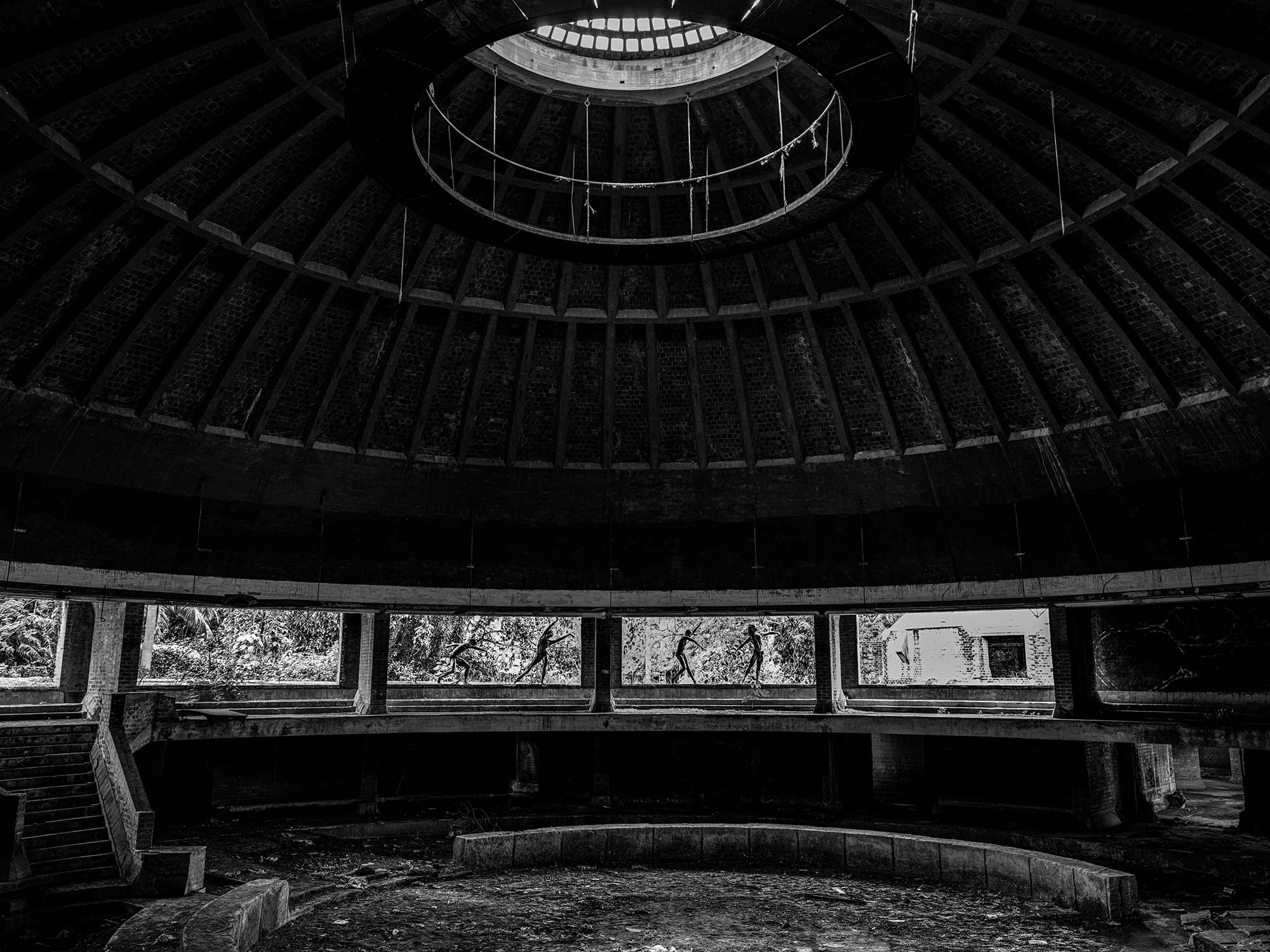
We began in Havana—on its streets and inside its dance schools, among faded walls, marble staircases and windows crossed by extraordinary light. From there we traveled to the sea and into the Cuban landscape. Illness, withdrawals and absences repeatedly changed our plans, and the project took its final form through those disruptions.
The 60-minute documentary gives the four dancers time to speak in their own words: how they found dance, what it has demanded of them, and how their choices have shaped their lives. We also see them moving away from the stage—dancing in an empty room or in the current beneath the waterfall at El Nicho simply because movement has become part of who they are.
Stefano Maccagno, a friend since our youth, is composing the original score. I have received the first pieces but have yet to hear them synchronized with the images. The music is sublime. I cannot wait for the moment when sound and image finally meet—and I confess that I love Stefano’s music so much, I half expect it to steal the images.
The photographs follow another path. They remove the body from biography and suspend it in stillness. I am less interested in documenting these men than in allowing the camera to transform them: bodies become figures, gestures become signs, and individual moments approach something older and more archetypal. The film gives space to their names, histories and voices; the photographs leave them momentarily outside time.
The book is dedicated to them
96 pages · 77 photographs
Primarily black-and-white, with a small selection in color.
Hand-finished binding with turquoise-sprayed edges.
Published by Artfineline, 2026.
$80
ISBN 979-8-9964524-0-8
The work continues: Episode II — The Becoming